

Understanding AI Infrastructure Beyond GPUs
 Prashant Pathak1 Aug, 2026
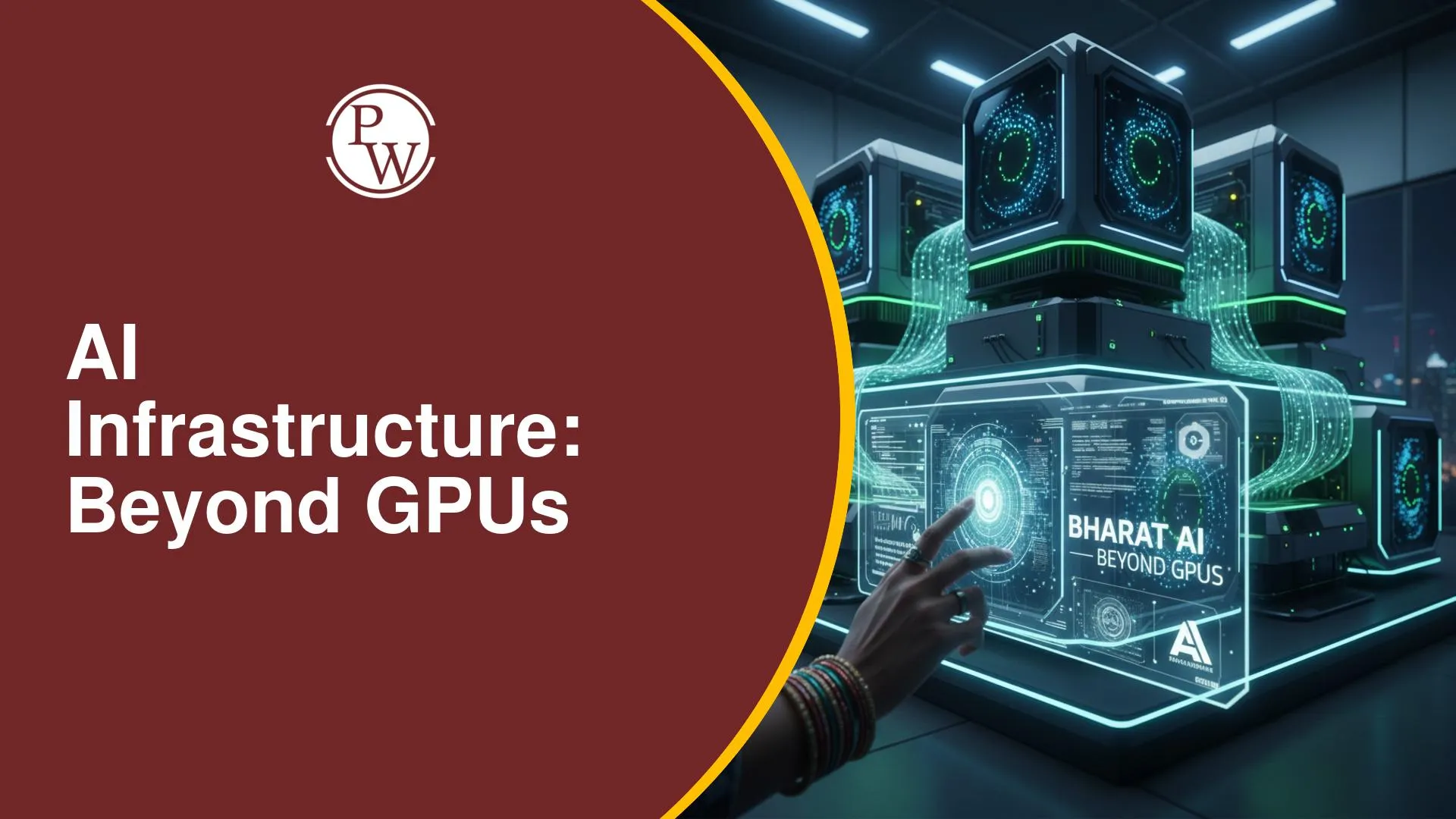
Building advanced AI systems requires a robust foundation. While Graphics Processing Units (GPUs) are vital, they are only one part of the larger AI infrastructure: Beyond GPUs. This infrastructure includes compute, storage, communication, and specialized hardware. Understanding these components is key to realizing the full potential of large-scale AI operations.
Key Components of AI Infrastructure
AI data centers need various elements to function. These include compute units, storage solutions, advanced communications, and specialized hardware. GPUs and custom accelerators, such as Tensor Processing Units (TPUs), are essential compute components. All data processed by these chips resides in High-Bandwidth Memory (HBM).
The Role of High-Bandwidth Memory (HBM)
High-Bandwidth Memory (HBM) is critical for moving large data volumes efficiently. It supports the high data throughput required by modern AI systems. The leading manufacturers of HBM are SK Hynix (South Korea), Samsung (South Korea), and Micron (USA). HBM enables rapid data access for processing units.
Networking for AI Systems
GPUs must continuously share data with one another during training. This demands fast, high-throughput network connectivity. Fiber-optic cables running high-bandwidth networking architectures, such as InfiniBand, achieve this. These networks ensure seamless and rapid data exchange across AI systems.
The Complex AI Hardware Supply Chain
The hardware supply chain is complex. Companies like Nvidia and SK Hynix design chips but do not manufacture them. They provide designs to specialized semiconductor foundries. Taiwan Semiconductor Manufacturing Company (TSMC) and Samsung Foundry are primary fabricators. They produce chips at the nanometer scales needed for modern AI infrastructure: Beyond GPUs. After fabrication, assembly companies like ASE Group (Taiwan) and Amkor Technology (United States) package and test the chips.
Global Dependencies and Barriers
TSMC is a critical point of dependency in the global AI supply chain. It fabricates virtually every leading AI chip, including Nvidia’s Blackwell GPUs. High barriers to entry exist at every layer. These include decades of accumulated expertise, specialized equipment, and significant capital investment. This infrastructure shapes education priorities and workforce development globally. Different countries play varied roles across this hardware supply chain.
AI Infrastructure FAQs
What is the primary function of HBM in AI?
Which companies are major manufacturers of HBM?
What role does InfiniBand play in AI data centers?
Why is TSMC considered a single point of dependency in the AI supply chain?
Besides GPUs, what other hardware components are crucial for AI infrastructure?