
Your Face, Voice and Mannerisms Are Becoming AI Assets. Here's the Technology Behind Them
 Mishika Gupta15 Oct, 2026
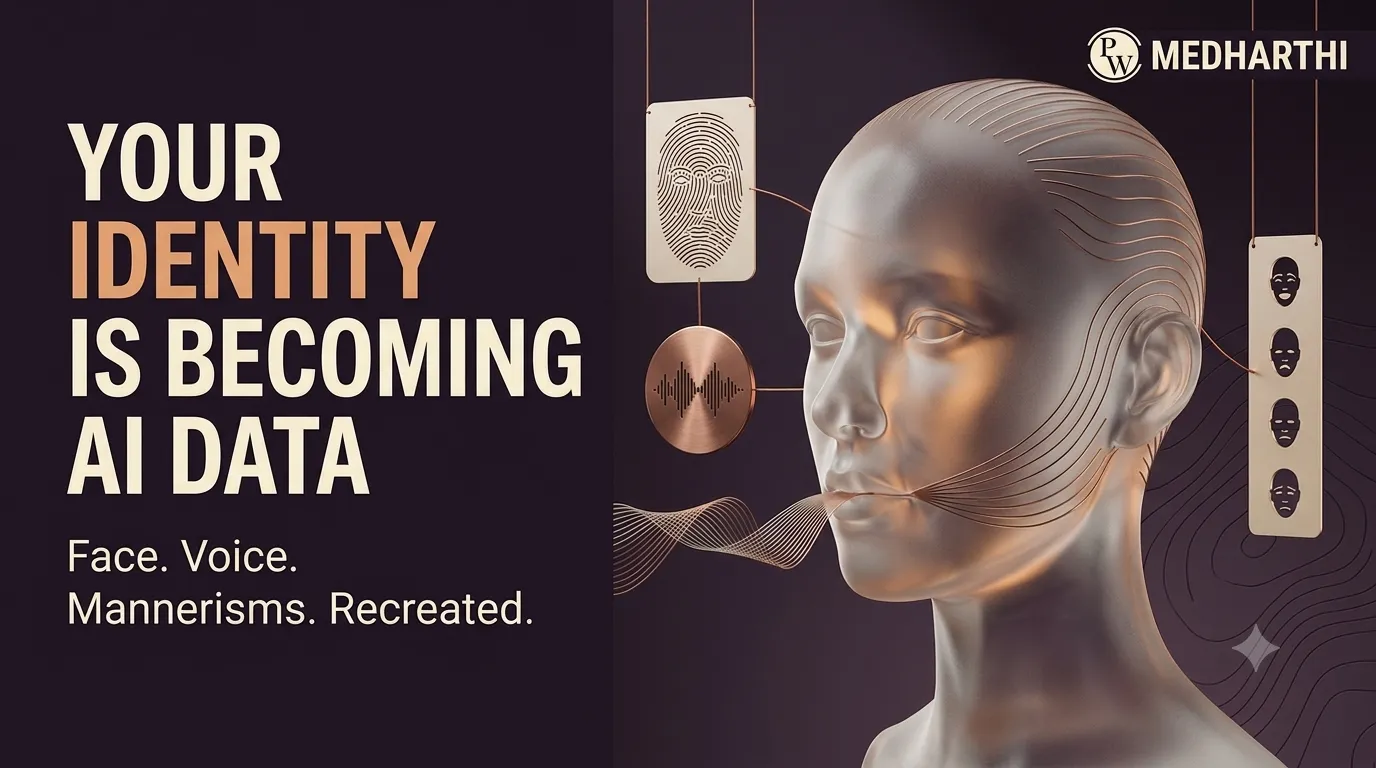
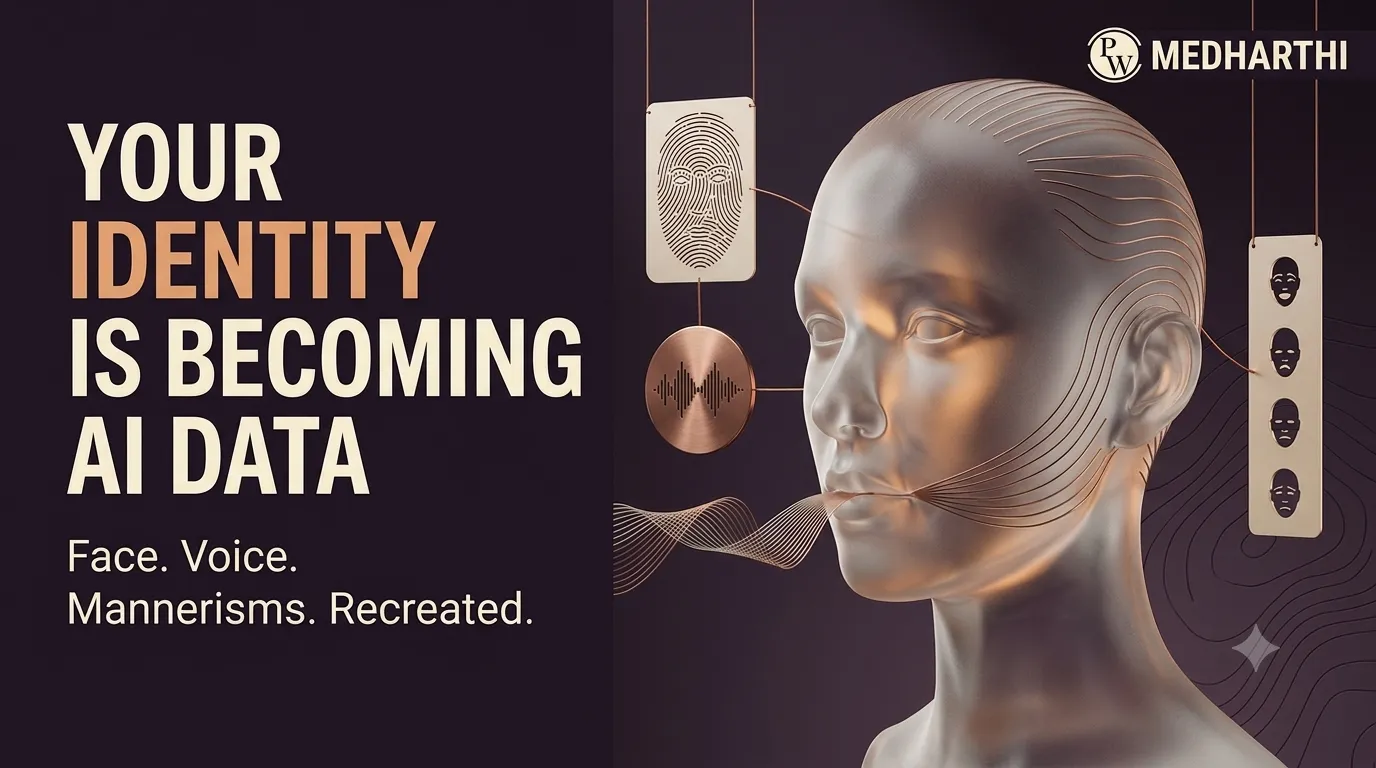
Identity can now be replicated within 30 seconds, according to Guneet Singh, cofounder of Sparkonomy. For film stars, cricketers and digital creators, that means their faces and voices can be licensed as AI-generated versions for commercial use, without their being present for every production.
So, is this a real business, or an early experiment? India’s celebrity endorsement market is estimated at Rs 3,000 crore, and its influencer marketing sector at Rs 3,500 crore, and cricketers Hardik Pandya and Shubman Gill are among the early adopters.
Let’s see how identity becomes a licensable asset, what brands can create with it and what is still missing before it scales.
"Replicating a face is not the same as protecting it. The real question is who controls your identity once it can be copied."
Can Your Face and Voice Earn Money Without You on Set?
Stars no longer need to be on set to earn from their faces. The work is moving from performing to licensing.
AI lets film stars, cricketers and digital creators license AI-generated versions of their faces and voices for commercial use.
“A star’s AI-generated face and voice can now work on a campaign without the star being present for every production.”
Here is where the income comes from:
-
For celebrities: New revenue from advertising campaigns, branded entertainment and digital content.
-
For emerging creators: Identity licensing could become another income stream next to brand partnerships and platform monetisation.
The opportunity is real, but consent and control of digital identities remain open questions.
Tip: List where your income depends on your physical presence today. Those are the places cloning could change.
Is India's Rs 6,500 Crore Endorsement Market Turning to AI Clones?
Two markets already run on famous faces and voices. AI cloning now gives both a new way to use them.
According to industry estimates:
|
Market |
Size |
Basis |
|
Celebrity endorsements |
Rs 3,000 crore |
Estimated |
|
Influencer marketing |
Rs 3,500 crore |
Projected |
|
Combined |
Rs 6,500 crore |
Sum of the two |
“Cricketers Hardik Pandya and Shubman Gill are among the early adopters of AI cloning.”
For marketers, campaign planning now has to weigh AI, audience reach and consent together. PW Medharthi's AI-Driven Marketing and Digital Growth programme is one way to learn how AI fits into brand growth.
Can AI Clones Take Brands Beyond the Celebrity Ad Shoot?
The cloned ad is just the start. The branded series is the bigger prize.
Brands are no longer limited to conventional celebrity shoots. Dipankar Mukherjee, cofounder of Studio Blo, says they can create images and videos of celebrities in different locations and situations to suit a creative brief.
But he sees a much bigger benefit in branded content:
-
Miniseries
-
Microdramas
-
Animated shortform content
-
Vertical series
-
Longform series and feature-length content
“The much bigger benefit of cloning celebrities lies in the branded content it makes possible.”
Mukherjee expects 2027 to be pivotal as brands use AI to create more engaging content. In his words, "The future belongs to monetisation of consent."
Studio Blo's FAIMOUS platform enables celebrities to create, control and license their AI clones.
Creating images, videos and series with AI depends on the technology behind these tools, Certification Program in AI/ML is a good place to start.
Can Creators Earn From AI Clones at 1,000 Times the Celebrity Scale?
Identity can be replicated in 30 seconds. Protection has to keep up.
Sparkonomy is targeting a broader creator base. Its cofounder, Guneet Singh, says AI could let creators license or lease their identities for content production, adding income to brand partnerships and sales commissions.
Here is what he points to:
-
Speed: identity can now be replicated within 30 seconds.
-
Scale: the opportunity is similar to the celebrity one, but at 1,000 times the scale.
“Creators who earn from their identity need protection and compensation when someone else uses it.”
To address this, Sparkonomy is launching the Open Creator Graph (OCG), open infrastructure that lets creators establish their identities and specify how AI systems can use their content and likeness.
Tip: Before licensing your likeness anywhere, check whether the terms say how AI systems may use it.
Is the Technology Ready, but the Rulebook Missing?
AI cloning is moving faster than the systems that would license, track and pay for it.
Rajesh Sethi, PwC India's leader for media, entertainment and sports, says wider adoption needs:
-
Standardised licensing terms
-
Verifiable consent
-
Systems to monitor usage
-
Ways to determine pricing and facilitate payments
“Cloning a celebrity is only half the job; the other half is the infrastructure that governs how the clone is used.”
Ujjwal Chaudhry, a partner at Analysys Mason, says AI could turn identity from an attribute used in content production into a licensable digital asset. But that depends on infrastructure that protects identities and controls their commercial use.
Verification, monitoring and payment systems like these are built as software. Online MCA programme is one way to learn how such platforms are made.
Are Indian Courts Already Protecting Faces and Voices?
Personality rights are in sharper focus in India, and courts are acting on them.
Sethi says the growing misuse of identities through deepfakes, voice cloning and face morphing has brought personality rights into sharper focus. Indian courts have increasingly granted interim protection against unauthorised commercial use of individuals' names, images and voices.
Three public figures have obtained interim relief against unauthorised use of their identities:
-
Amitabh Bachchan, Actor
-
Arijit Singh, Singer
-
Raj Shamani, Podcaster
“Indian courts have increasingly granted interim protection against unauthorised commercial use of a person's name, image and voice.”
For anyone working with brands, media or creator partnerships, this makes consent and licensing a business question, not only a legal one.
Key Takeaways
-
AI lets celebrities and creators license their faces and voices for commercial use without being present for every production.
-
India's celebrity endorsement market is estimated at Rs 3,000 crore and its influencer marketing sector at Rs 3,500 crore.
-
Brands can move beyond ad shoots into microdramas, series and long-form content, and Studio Blo's Dipankar Mukherjee expects 2027 to be pivotal.
-
Sparkonomy's Guneet Singh says identity can be replicated within 30 seconds and that creators need protection and compensation.
-
Standardised licensing, verifiable consent, usage monitoring and payment systems are needed for wider adoption.
-
Indian courts have granted interim relief to Amitabh Bachchan, Arijit Singh and Raj Shamani.
So, can your face and voice really become an asset? Yes. Stars like Hardik Pandya and Shubman Gill are already using AI cloning, and it opens a new income stream for celebrities and creators. What makes it last is standardised licensing, verifiable consent, usage monitoring and payment systems. Before you license your likeness, check how it can be used and who controls that use.
If this shift has made you think about where AI skills could fit into your career, the AI Career Roadmap Generator can help map a learning path around your target role, skills and courses.




